How to Choose the Right Eyelash Extension Style for Different Eye Shapes
Perfect Lash Styles For Every Eye How to Choose the Right Eyelash...
Read More

Safe Removal, Healthier Natural Lashes
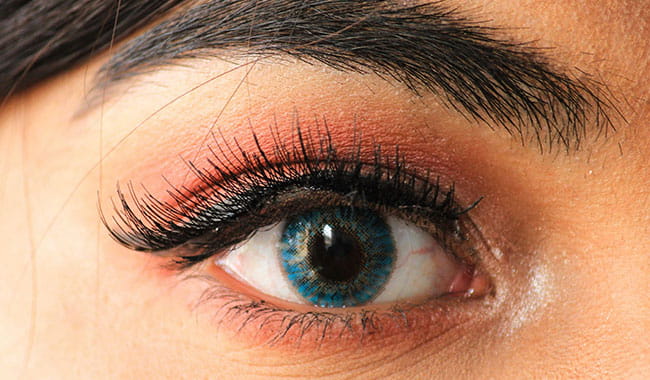
Eyelash extensions can open up the eyes and make a client’s daily routine easier. But how they come off matters as much as how they go on. When a set needs to be removed, the priority is always the same: protect the natural lashes and the delicate skin around the eyes.
For lash artists and salon professionals, a careful removal process protects lash health, treatment quality and client confidence.
At NovaLash India, professional lash care covers every stage of the journey, from consultation and application to aftercare and safe removal. If you want the bigger picture first, start with our guide to professional eyelash extensions.
In this guide, you will learn why professional eyelash extension removal matters, which techniques help protect natural lashes, and the best practices every lash artist should follow.
Extensions are bonded to natural lashes with specialised adhesive. As natural lashes shed through their normal growth cycle, extensions slowly fall away with them. Some clients, however, want a full removal before their next appointment.
Pulling, rubbing or picking at extensions puts needless stress on natural lashes. It can lead to breakage, early lash loss and irritation of the eyelids.
A professional removal helps to:
Removal is not just taking extensions off. It is doing so with care, patience and the right products.
Before you begin, look at the client’s lashes and ask why they want the set removed. Is it a style change, an upcoming treatment, natural shedding, discomfort or a possible reaction?
Check for:
Important: If a client reports pain, significant swelling or an allergic reaction, do not carry on with a routine cosmetic removal. Recommend prompt assessment by an eye-care professional. A suspected reaction is not an ordinary removal appointment.
Always use a remover made specifically for eyelash extension adhesive. Household oils, general makeup removers, acetone and other unsuitable products should never replace a professional lash adhesive remover.
NovaLash offers a dedicated NovaLash Adhesive Remover, designed to target lash adhesive while conditioning lashes and skin. According to NovaLash, the formula contains no alcohol or acetone and is intended to be gentle on skin and lashes. It is meant for NovaLash-certified professionals.
For more on safe practice, see our Health & Safety page.
Removal should be done by a trained lash artist in a clean, well-prepared treatment space. A safe appointment generally moves through these stages:
Step 1: Prepare the treatment area.
Clean and sanitise the workstation and tools to professional hygiene standards. Make sure the client is comfortable with their eyes closed throughout. Use eye pads or protective materials as the product protocol recommends.
Step 2: Assess the extensions.
Check their condition, placement and adhesive bonding, and note any tangled extensions or areas needing extra attention. Don’t pull or manipulate natural lashes to test the bond.
Step 3: Apply the professional remover.
Apply the approved remover as per the manufacturer’s instructions and your training. Keep application controlled so the product never enters the eyes, and follow the specified contact time.
Step 4: Let the adhesive release.
Give the remover the time its protocol requires. Don’t rush or force extensions away from natural lashes. If one doesn’t release as expected, reassess and follow the product guidance instead of using more pressure.
Step 5: Remove extensions gently.
Once the adhesive has released enough, remove the extensions with the appropriate professional technique. Natural lashes should never be pulled, tugged or scraped. If resistance remains, stop and follow the manufacturer’s recommended procedure.
Step 6: Clean and inspect the natural lashes.
Deal with any remaining remover or adhesive residue as per the product instructions. Check for breakage, tangling or irritation, then explain what you see to the client and discuss next steps.
Note: These are general professional principles. They are not a substitute for NovaLash certification or the specific instructions supplied with the remover. If you want formal training, see our class schedule.
Even experienced artists can harm natural lashes by rushing or using the wrong products.
A careful appointment is always better than a rushed one.
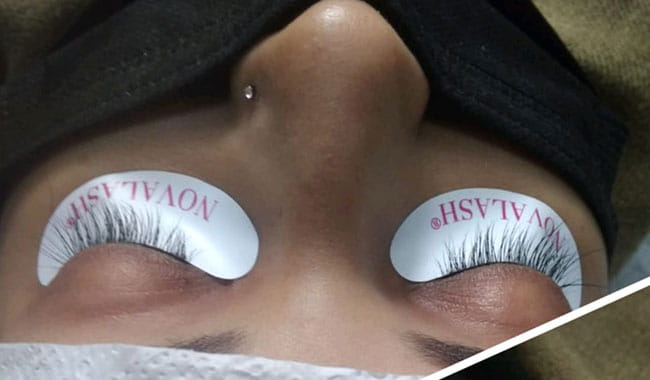
Once the extensions are off, give clients simple guidance for looking after their natural lashes. Recommend that they:
Not every client needs a break before a new set. The condition of the natural lashes should guide the next service. If lashes look compromised, discuss postponing the next application until they are ready.
Clients remember how a salon treats them, especially when a service involves the eye area. A comfortable, professional removal can strengthen the relationship and bring them back for future bookings.
You can build that trust by:
Removal is also a chance to teach clients why proper extension care matters.
The right products support a consistent approach to lash care. NovaLash Adhesive Remover is designed to target eyelash extension adhesive, and its published product information highlights a conditioning formula with no alcohol or acetone, intended to be gentle on skin and lashes.
For trained NovaLash professionals, using a dedicated product within the recommended removal protocol keeps the service controlled and professional.
Explore the product: NovaLash Adhesive Remover
You can also browse our full professional shop.
Product use should always follow the official instructions, training requirements and applicable safety documentation.
Professional eyelash extension removal is an essential part of responsible lash artistry. The right remover, the manufacturer’s instructions, minimal tension and a focus on client comfort all add up to a safer salon experience.
The goal isn’t just to take extensions off. It is to respect and protect the natural lashes underneath.
With NovaLash, professional lash care goes beyond beautiful extensions. It means keeping high standards at every stage of the client journey.
1. Can eyelash extensions be removed at home?
Professional removal is recommended. Pulling or trying to dissolve extensions at home can damage natural lashes or expose the eyes to unsuitable products. Clients should book with a trained lash professional.
2. Does professional removal damage natural lashes?
Done correctly with a suitable professional remover and the manufacturer’s technique, removal is designed to minimise stress on natural lashes. However, no cosmetic procedure is entirely risk-free, and existing lash damage or eye irritation should be assessed before starting.
3. Can I use coconut oil or makeup remover to take off extensions?
No. Household oils and ordinary makeup removers are not substitutes for professional adhesive removers. They may not release professional adhesive reliably and can tempt clients to rub or pull at their lashes.
4. Should clients take a break after removal?
Not necessarily. The lash artist should assess the natural lashes and recommend the next service accordingly. If there is visible damage or irritation, postpone further treatment until it is appropriate.
5. What should I do if a client feels irritation during removal?
Stop the procedure and prevent further product exposure. If the product gets into the eye, follow its safety instructions immediately. Persistent pain, redness, swelling or changes in vision need prompt medical assessment.