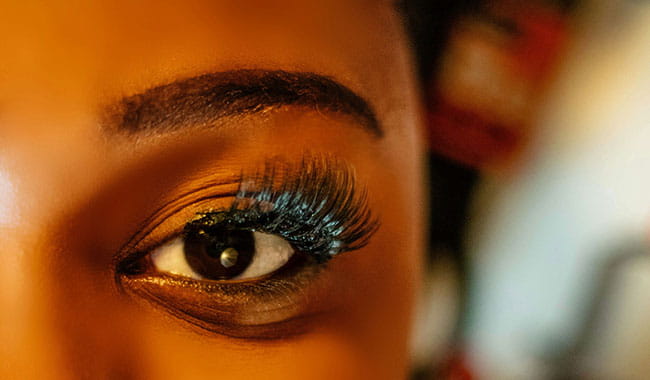
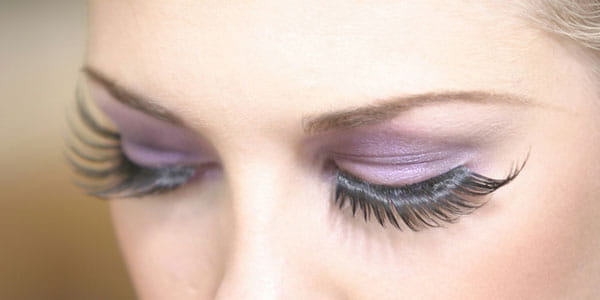
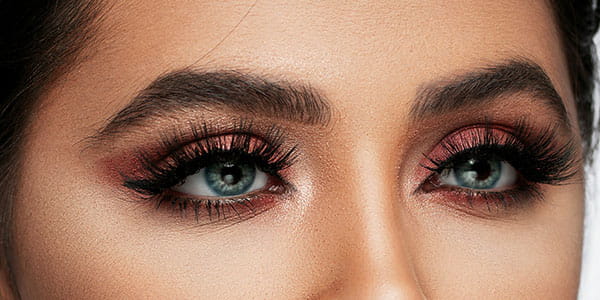
Eyelash extensions aren’t just about type or curl — the actual style (how the lengths and shapes are mapped across the lash line) is what determines whether the final look reads as natural, elongated, wide-eyed, or dramatic. Choosing the right style for your eye shape makes a bigger visual difference than most clients expect.
(Looking for the basics on extension types, curls, and diameters? Start with our complete lash extension type guide — this page focuses specifically on styling by eye shape.)
Popular Lash Styles
Natural Style — mimics your existing lash line with a slight enhancement. Best for everyday wear and clients who want extensions that don’t look like extensions.
Cat-Eye Style — longer lashes placed toward the outer corners create a lifted, elongated effect. Best for a sharp, defined look.
Doll-Eye Style — longer lashes concentrated in the center create a wide-eyed, rounder effect. Best for clients wanting bigger, brighter-looking eyes.
Wispy Style — a deliberate mix of lengths creates a textured, feathery finish. Best for a trendy, “Instagram lash” look.
Matching Style to Eye Shape
Almond eyes — the most versatile shape; nearly any style works well, including cat-eye, doll-eye, or a hybrid mapping.
Round eyes — elongating styles help balance the shape. Cat-eye with longer outer corners tends to work best here.
Hooded eyes — need lift more than length. A more dramatic curl (see our curl guide) combined with an open-eye mapping technique makes the biggest difference.
Monolid eyes — benefit from styles that add definition and visibility, typically paired with a stronger curl and volume technique.
Downturned eyes — lifting the outer corners (a doll-eye or cat-eye mapping) helps counter the downward angle for a more balanced look. A technique sometimes called “squirrel style” mapping — placing the longest lashes slightly before the outer corner rather than directly on it — works especially well here, since length right at the corner can emphasise the downward angle instead of lifting it.
Upturned eyes — outer corners already lift naturally, so most styles work well. Cat-eye, hybrid, and volume techniques all complement this shape without needing much correction.
What Is Lash Mapping?
Lash mapping is simply the plan for where different lengths, curls, and thicknesses go across the lash line before application starts. It’s what turns a style name like “cat-eye” or “doll-eye” into an actual result on a specific client’s eyes — the same style name can look different from client to client depending on how it’s mapped to their natural eye shape and lash growth pattern. This is also why professional consultation matters more than picking a style from a photo: a good lash artist maps the style to your eyes rather than copying someone else’s set.
Choosing the Right Style: What to Discuss With Your Lash Artist
Your eye shape
Natural lash strength (some styles place more stress on natural lashes than others)
Lifestyle — how much daily maintenance you actually want
Desired look — natural vs. dramatic
A proper consultation is what turns a generic style choice into one that’s actually mapped to your face — copying a style from a photo rarely produces the same result on different eyes.
Application Technique Matters as Much as the Style
Even the best-chosen style will fall flat without correct application — proper isolation of natural lashes, correct adhesive use, and balanced weight distribution all directly affect how long a style holds and how comfortable it feels. (See our guide on why lash isolation matters for more on this.)
Common Styling Mistakes
Choosing lengths that are too long for the natural lash to support — this stresses and can damage natural lashes over time.
Ignoring eye shape entirely — the same style doesn’t flatter every eye shape equally.
Overloading the lash line — heavier extensions reduce both comfort and retention.
Using low-quality products — leads to irritation and inconsistent results regardless of how good the styling choice is.
How Long Do Different Styles Last?
Retention depends more on technique and aftercare than the style itself, but some general patterns hold:
Classic-based styles (like natural or subtle cat-eye) tend to last longer since they’re lighter and place less stress on natural lashes.
Volume-based styles (like dramatic wispy or doll-eye) can last just as well when applied with properly lightweight fans.
Refills are typically needed every 2–3 weeks regardless of style, following the natural lash growth cycle.
Aftercare for Long-Lasting Styles
Avoid water for the first 24 hours
Don’t rub the lash area
Skip oil-based products near the eyes
Brush lashes gently and regularly
Keep up with refills on schedule rather than waiting until the style looks noticeably uneven
Final Thoughts
The type and curl of an extension set the technical foundation, but the style — cat-eye, doll-eye, wispy, or natural — is what actually shapes how your eyes look day to day. Matching that style to your eye shape, rather than picking a look off social media, is what makes the difference between extensions that look good on someone else and ones that genuinely suit you.
FAQs
Which lash style suits almond eyes best? Almond eyes are the most versatile shape — cat-eye, doll-eye, and hybrid mapping all tend to work well.
What’s the difference between cat-eye and doll-eye styles? Cat-eye places longer lengths at the outer corners for an elongated look; doll-eye concentrates length in the center for a rounder, wide-eyed effect.
Which style lasts the longest? Lighter, classic-based styles generally hold up longest, though proper application and aftercare matter more than the style choice itself.
Can I combine styles, like a wispy cat-eye? Yes — mixing style elements (length placement, texture) within one set is common and often gives the most personalised result.
How do I know which style suits my eye shape? A trained lash artist should assess your eye shape and natural lash condition during consultation — it’s not something to decide purely from reference photos.