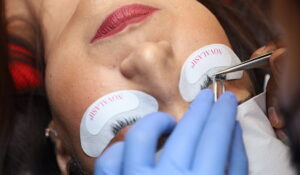
Why Lash Isolation Is the Foundation of Safe and Long-Lasting Eyelash Extensions
The Secret To Perfect Extensions Why Lash Isolation Is the Foundation of...
Read More

Better Storage, Better Lash Performance

Professional eyelash extension results depend on more than choosing the right adhesive. Product storage, handling, environmental conditions, and following manufacturer instructions all play important roles in maintaining adhesive performance.
Even a professional-grade lash adhesive may not perform as expected if it is stored incorrectly, exposed to unsuitable conditions, or used beyond its recommended shelf life. For lash artists, understanding proper adhesive care is an essential part of maintaining consistent application techniques and professional service standards.
Whether you work in a busy lash salon or operate an independent studio, a consistent adhesive storage routine can help you manage products responsibly and identify potential issues before beginning a treatment.
Professional lash extension adhesives are formulated to work under specific conditions. Depending on the formulation, exposure to moisture, air, temperature fluctuations, or contamination may affect how an adhesive performs.
Improper storage can contribute to changes in viscosity, drying behaviour, or bonding performance. These changes may make application less predictable and complicate the work of a lash artist.
Correct storage helps professionals:
Maintain products according to the manufacturer’s recommendations.
Reduce unnecessary exposure to air and moisture.
Identify products that may have deteriorated.
Manage opening dates and product expiry.
Maintain a more consistent professional application routine.
It is important to remember that different adhesives may have different storage requirements. Always follow the instructions provided for the specific product you use.
Temperature is an important consideration when storing eyelash extension adhesive. Excessive heat, freezing conditions, or repeated temperature fluctuations may affect product performance, depending on the formulation.
Avoid leaving adhesive bottles near direct sunlight, radiators, hot equipment, or windows exposed to strong sunlight. Similarly, do not assume that refrigeration is appropriate for every adhesive.
Some products may require specific storage conditions, and refrigeration can introduce condensation if a cold bottle is opened before it has adjusted to room conditions.
Professional tip: Check the manufacturer’s recommended temperature range for your adhesive and maintain a consistent storage environment wherever possible.
Humidity can influence the behaviour of many professional eyelash extension adhesives, particularly cyanoacrylate-based formulations.
When environmental conditions differ significantly from the adhesive’s recommended working range, drying behaviour and application performance may change.
However, storage conditions and working conditions are not exactly the same. A bottle may be stored correctly but still behave differently when used in a room with unsuitable humidity or temperature.
For a more controlled workflow:
Check the adhesive manufacturer’s recommended working conditions.
Monitor salon temperature and relative humidity when appropriate.
Keep the bottle away from wet surfaces and unnecessary moisture.
Avoid opening a cold bottle in a warm, humid environment before condensation has dissipated.
Follow the manufacturer’s guidance for returning the adhesive to use after storage.
A humidity monitor can help lash artists understand their working environment rather than relying on guesswork.
Once an adhesive bottle is opened, it can be exposed to air and moisture. Leaving the cap loose or the nozzle contaminated may affect the product and make future applications less predictable.
After dispensing adhesive, follow a consistent closing routine.
Do not use water or an unapproved cleaning product to clean the adhesive nozzle. The wrong cleaning method may introduce moisture or interfere with the product.
A clean nozzle and properly closed bottle are simple but important parts of professional product handling.
Some lash artists use dedicated adhesive storage containers to help protect their products from environmental fluctuations. However, a storage container should not replace the adhesive manufacturer’s instructions.
If you use a dedicated container, make sure it is suitable for the product and does not introduce moisture or contamination.
Avoid placing adhesive bottles in containers that are damp, dirty, exposed to direct sunlight, or subject to excessive temperature changes.
Silica gel or other moisture-control products should only be used as intended and should never come into direct contact with the adhesive. Do not assume that every adhesive requires the same storage accessories.
The goal is to maintain the recommended storage conditions, not simply to purchase additional equipment.

Professional lash artists should distinguish between the unopened shelf life and the recommended period of use after opening.
These are not necessarily the same. An adhesive may have a stated shelf life while unopened and a shorter recommended period once the bottle has been opened.
To manage your stock responsibly:
Check the printed expiry date before use.
Record the opening date on the bottle or an appropriate product log.
Follow the manufacturer’s recommended use period after opening.
Rotate stock so older suitable products are used first.
Discard products that have expired or show signs of deterioration according to manufacturer guidance.
Do not rely on appearance alone to determine whether an adhesive is still suitable. A product that looks normal may still have been stored outside its recommended conditions.
Changes in adhesive behaviour can indicate a storage issue, contamination, or a product that is no longer performing as expected.
Potential warning signs include:
A noticeable change in viscosity or consistency.
Unusual thickening or changes in dispensing behaviour.
Unexpected bonding or drying performance under otherwise appropriate working conditions.
A damaged, contaminated, or poorly sealed bottle.
An expired product or one stored outside the manufacturer’s recommended conditions.
These signs do not always identify a single cause. Environmental conditions, application technique, and product handling may all affect performance.
If you suspect deterioration, stop using the product and consult the manufacturer’s instructions or support team. Do not attempt to restore an unsuitable adhesive by adding water, solvents, or other substances.
Correct storage is only one part of adhesive management. The conditions in which the adhesive is used also matter.
For example, an adhesive may be stored within its recommended range but behave differently when the salon becomes unusually warm or humid. Similarly, a change in application technique can affect the results even when the adhesive itself is in good condition.
When troubleshooting performance, review the complete process:
Storage temperature and environmental conditions.
Time elapsed since opening the bottle.
The manufacturer’s recommended working conditions.
Bottle closure and nozzle cleanliness.
Adhesive dispensing and application technique.
The condition and compatibility of the products being used.
This systematic approach helps lash artists identify possible causes rather than automatically blaming the adhesive.
Not all eyelash extension adhesives are interchangeable. Formulations, recommended working conditions, storage requirements, and handling procedures can vary between products.
For this reason, lash artists should avoid applying one adhesive’s storage rules to every product they use.
Always review the manufacturer’s instructions before using a new adhesive. If you are uncertain about storage, shelf life, or an unexpected change in performance, seek clarification from the manufacturer or authorised supplier.
Professional training is also valuable because product knowledge and correct handling techniques work together to support consistent application.
Selecting an adhesive involves more than comparing price or drying speed. Lash artists should consider the product’s intended professional use, compatibility with their application technique, recommended working conditions, and manufacturer guidance.
Training and experience also matter. An adhesive that performs well for one artist may not suit another artist’s working speed or salon environment.
At NovaLash India, beauty professionals can explore professional eyelash extension products and learn more about the role of appropriate product selection and handling in a professional lash service.
Explore our professional eyelash extension products to learn more about NovaLash solutions for lash artists.
How should eyelash extension adhesive be stored?
Store the adhesive according to the manufacturer’s instructions, including its recommended temperature range, container requirements, and handling procedures. Keep the bottle securely closed and protect it from contamination.
Can eyelash extension adhesive be refrigerated?
Not every adhesive should be refrigerated. Follow the specific manufacturer’s guidance because refrigeration and condensation may affect product handling and suitability.
How long does eyelash extension adhesive last after opening?
The recommended period varies by product and formulation. Check the manufacturer’s instructions and record the opening date rather than relying on a universal timeframe.
Why does my lash adhesive behave differently from one appointment to another?
Changes in temperature, humidity, application technique, bottle condition, and product age may influence adhesive performance. Review these factors systematically and follow the manufacturer’s recommended working conditions.
Can I use eyelash extension adhesive if it has become thick?
Do not assume that thickened adhesive is suitable for use. Check the product instructions and consult the manufacturer if its consistency has changed unexpectedly. Discard it when required by the manufacturer’s guidance.
Does proper adhesive storage guarantee better lash retention?
No. Appropriate storage helps maintain product condition, but lash retention also depends on application technique, natural lash condition, environmental conditions, client aftercare, and other factors.
Why is professional lash extension training important for adhesive handling?
Training helps lash artists understand product behaviour, dispensing techniques, working conditions, hygiene, and safe application practices. These skills support more consistent professional workflows.
Professional eyelash extension adhesive care begins with understanding the product and following its specific instructions. Consistent storage, careful bottle handling, accurate opening-date records, and attention to working conditions can help lash artists manage their products responsibly.
Rather than relying on one universal storage method, professionals should develop a routine that reflects the adhesive they use and the environment in which they work.
When product knowledge is combined with appropriate training and application technique, lash artists are better equipped to maintain consistent working practices and deliver professional eyelash extension services.